 Faris
Faris
What You’ll Learn
- From the World Cup to Reality: The Cost-of-Living Crisis Nobody Can Ignore
- The New Reality of a “Stable” Job: Why a Full-Time Paycheck Isn’t Enough
- The Rise of Side Hustles: Seeking Financial Security Beyond the Paycheck
- The Hidden Risk of Depending on a Single Income Stream
- Shifting from Salary to Asset Ownership for Long-Term Security
- Redefining What Financial Security Means in 2026
A few weeks ago, a friend told me something that stuck with me.
He had just returned from the World Cup.
Between match tickets, flights, hotels, food, transportation, and all the little expenses that come with travel, he estimated that he had spent around $1,500.
And honestly?
He didn’t regret a single dollar.
“It was one of the best experiences of my life,” he told me.
For a few days, the cost didn’t matter. The atmosphere was incredible. The stadiums were packed. The energy was unforgettable.
Then he came home.
The credit card bill arrived. Rent was due. Insurance payments were waiting. Groceries somehow cost more than he remembered.
And that’s when a strange thought hit him: “If I could spend $1,500 on football and somehow make peace with it, why does paying for normal life feel so much harder?”
At first glance, it sounds like a personal finance problem. But the more I thought about it, the more I realized it wasn’t just his story. It was a reflection of a much larger, systemic issue.“
Because millions of workers are quietly asking themselves a similar question. Not about football, and not about travel. But about work.
Specifically; Why does a stable job no longer feel stable?
From the World Cup to Reality: The Cost-of-Living Crisis Nobody Can Ignore
For decades, the formula seemed straightforward:
- Get a good job.
- Work hard.
- Pay your bills.
- Save for the future.
- Retire comfortably.
It wasn’t perfect, but it worked. Today, that formula feels increasingly disconnected from reality.
According to data from the U.S. Bureau of Labor Statistics, the cost of essentials such as housing, food, utilities, transportation, and healthcare has risen significantly over time, creating pressure on household budgets across the country.
The issue isn’t that people suddenly became irresponsible with money. The issue is that the price of ordinary life keeps climbing and salaries often struggle to keep up.
A generation ago, a stable salary was often enough to support a family, buy a home, save for retirement, and occasionally enjoy life’s luxuries. Today, many workers are simply trying to keep pace.

The New Reality of a “Stable” Job: Why a Full-Time Paycheck Isn’t Enough
When most people hear the phrase “stable job,” they imagine safety, predictability, and security. But true security isn’t determined by where your income comes from. It’s determined by whether that income is enough.
That’s where many workers are feeling squeezed.
Studies highlighted by Forbes Advisor’s paycheck-to-paycheck research suggest that a large percentage of full-time employees continue to live paycheck to paycheck.
Think about that for a moment. We’re not talking about unemployment. We’re talking about people who did everything they were told to do:
- They got the degree.
- They got the job.
- They showed up every day.
Yet many still feel financially vulnerable.
And that feeling isn’t irrational.
According to the Federal Reserve’s Survey of Household Economics and Decisionmaking (SHED), many Americans would struggle to cover an unexpected expense using cash or savings alone, despite being employed. The findings suggest that financial resilience is often far weaker than appearances suggest.
Source:
https://www.federalreserve.gov/consumerscommunities/shed.htm
That’s not a work ethic problem. That’s a math problem.
When housing, healthcare, insurance, childcare, transportation, and groceries consume most of a paycheck, there’s very little room left for mistakes or opportunities.
The Rise of Side Hustles: Seeking Financial Security Beyond the Paycheck
This helps explain the rise of something that barely existed in mainstream conversations twenty years ago: The side hustle.
At one point, side hustles were associated with ambitious entrepreneurs or people chasing big, risky dreams. Today, the conversation feels entirely different. More people are building second income streams not because they want luxury, but because they want breathing room.
According to data discussed in Forbes’ side hustle statistics report, millions of individuals have explored additional sources of income alongside traditional employment.
Why? Because a second income stream solves several problems at once:
- It helps offset inflation.
- It creates emergency savings.
- It reduces dependence on a single employer.
That last point matters more than most people realize.
The Hidden Risk of Depending on a Single Income Stream
When people talk about financial risk, they usually think about stock markets, cryptocurrency, or real estate investments. But one of the biggest risks in modern life may be something that looks completely normal: Depending on a single paycheck.
If that paycheck disappears tomorrow, what happens?
- Could your blog continue generating traffic?
- Would your freelance clients still exist?
- Would your digital products still sell?
- Would any money arrive from somewhere else?
For many people, the answer is no. And that’s not a criticism; it’s simply the system most of us inherited. We were taught how to get jobs, but few of us were taught how to build assets.
That’s why so many people are beginning to explore alternatives. Not because they hate their jobs, but because they want options.

Shifting from Salary to Asset Ownership for Long-Term Security
This is where the conversation becomes interesting. The goal isn’t necessarily to quit your job tomorrow. The internet often turns everything into an extreme choice: Stay employed forever or become an entrepreneur overnight.
Real life is usually somewhere in between.
More and more people are discovering that true financial security comes from ownership:
- Ownership of skills.
- Ownership of an audience.
- Ownership of a website or blog.
- Ownership of digital content and assets.
A salary pays you once. An asset can continue paying you long after it has been created. That’s a very different relationship with income, and for many people, it feels increasingly attractive.

Redefining What Financial Security Means in 2026
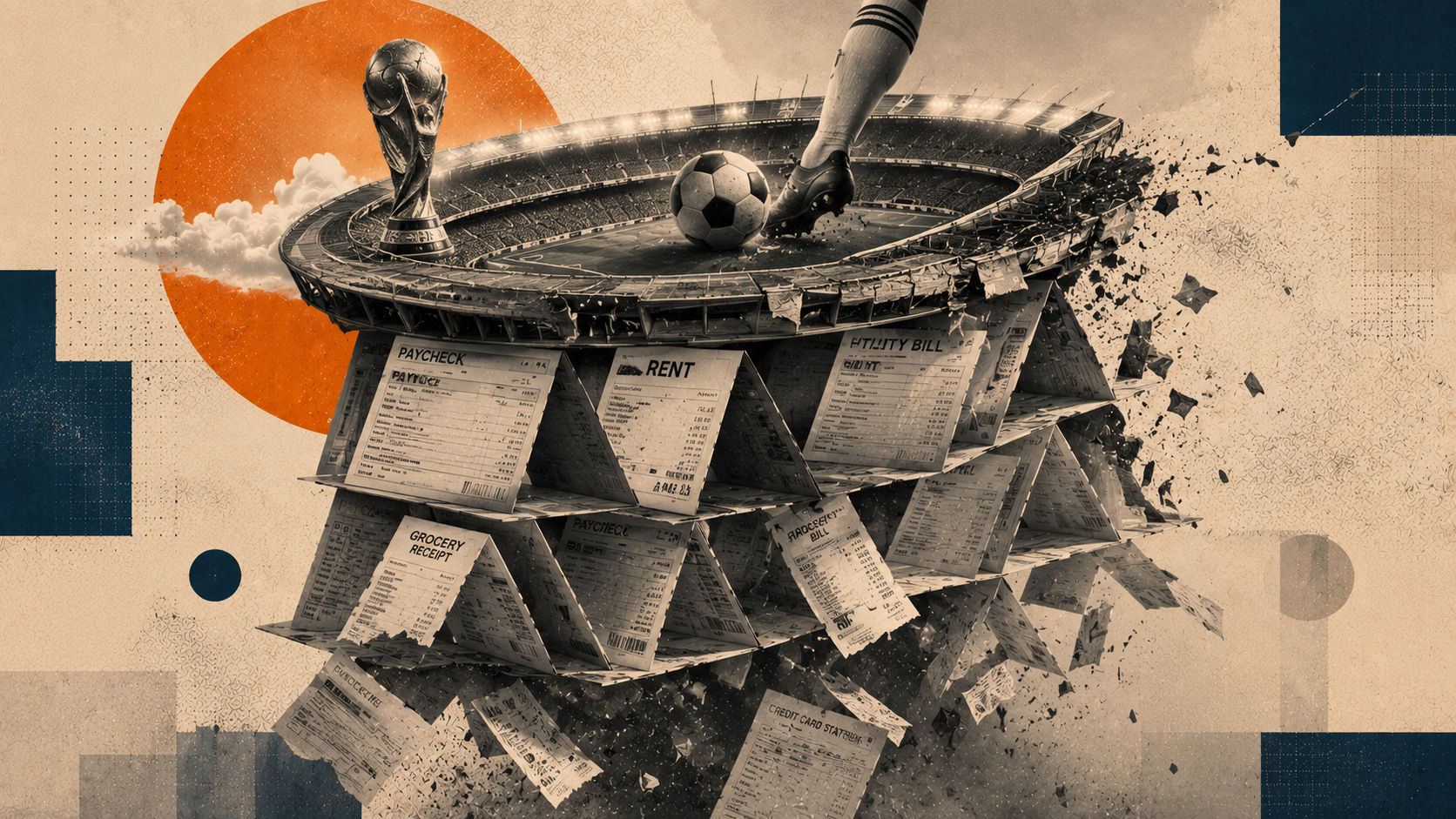
The World Cup didn’t create the modern cost-of-living crisis, but it may have helped expose it.
For a few weeks, people willingly paid premium prices for unforgettable experiences. Then the tournament ended, and they returned to the reality of rising bills, shrinking purchasing power, and a growing sense that the old formula isn’t working as well as it once did.
The biggest realization wasn’t that football is expensive. It was that everyday life has become expensive too.
And that’s why so many people are rethinking what financial security actually means. In 2026, a stable job may still be valuable, but increasingly, people are realizing that stability doesn’t come from a paycheck alone. Relying on just one stable job is no longer enough; a truly stable job requires building other options alongside it.
It comes from having options.
Ready to explore your options beyond a single paycheck? Start by looking into these [5 Online Side Hustles That Pay More Than Your 9-5 Job].
Admin
This article was drafted with the assistance of AI, but 100% reviewed and refined by a human.
Discover more from ClockOut
Subscribe to get the latest posts sent to your email.
by
Leave a Reply